Your entire PCB flow in one tool, from schematic to 3D layout and simulation.
Try for free for 30 daysA library the design process can rely on.
PCB designFrom schematic to layout with full control.
Simulation & analysisFind the errors before the prototype does.
Thermal Simulation and AnalysisHeat accounted for from copper to enclosure.
CFD meshing & simulationThermal and flow analysis for robust designs.
RF and Antenna DesignAt high frequencies, the copper matters.
Wireless Communication & IoTRange is decided by the final millimetres.
System-Level DesignThermal and mechanical aspects calculated in time.
PLMThe current version, in one place.
Data CenterCooling determines the capacity.
Cloud ServicesComputing power when the calculation is too large.

Your entire PCB flow in one tool, from schematic to 3D layout and simulation.
Try for free for 30 daysSpecialists who work in the tools themselves.

Nordcad Customer PortalCases, licences, and downloads gathered in one place.
Software DevelopmentIntegrations and solutions that eliminate intermediate work.
MigrationFrom your legacy PCB tool to OrCAD X.
Cadence KnowledgeCadence's knowledge base with articles and guides.

Your entire PCB flow in one tool, from schematic to 3D layout and simulation.
Try for free for 30 days

Your entire PCB flow in one tool, from schematic to 3D layout and simulation.
Try for free for 30 days Reality DC Digital Twin

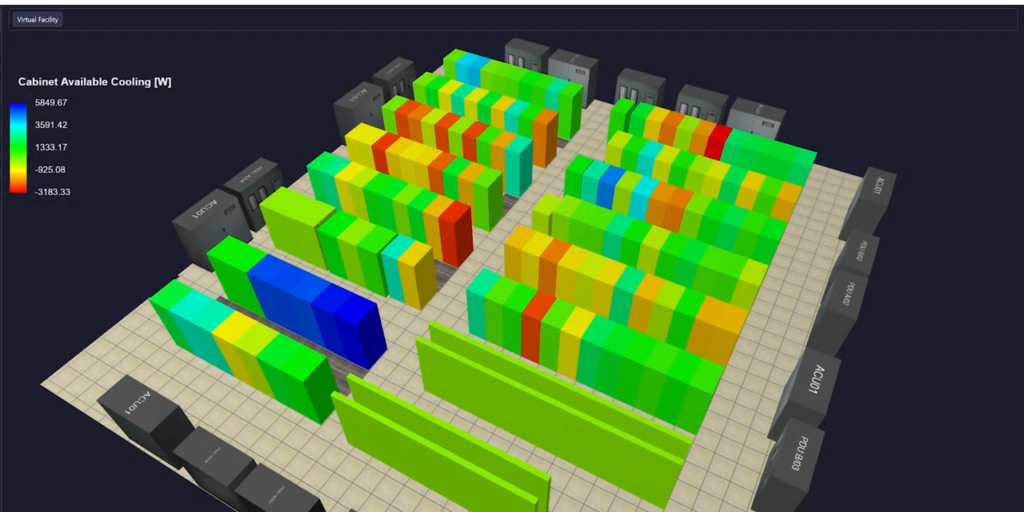
Reality DC Digital Twin is a physics-based model of your data center—racks, cooling, and power supply—calculated using CFD and kept up to date with operational data. You can see how a new installation, a change in cooling, or a failure will affect the space before it happens in reality.
"*" indicates required fields


The challenge
The solution
HOW IT WORKS
VALUE
Airflow and temperature are calculated using CFD, capacity is determined across resources, and scenarios are tested before they become a reality.
It's rarely the total cooling capacity that's lacking. It's the air that isn't getting where it needs to go.
Available space in a rack is not the same as available capacity.

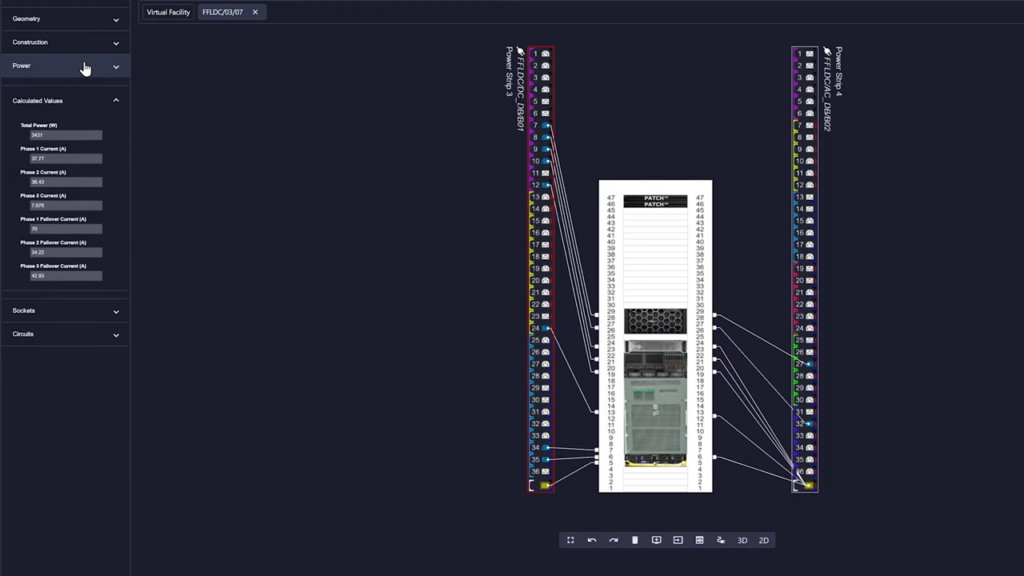
An unmapped power path is a risk nobody chose.

The most important question in a data center often begins with “What happens if …?”
A model is only valuable if it resembles space as it is today, and if more than one person can see it.

Implementation
Cadence provides the platform. Nordcad helps you customize the model to match your space.
We'll help you set up the model based on your layout and equipment lists, so that the first simulation focuses on your space rather than a generic example.
A model that isn't validated against reality isn't used to make decisions. We advise on which measurements it should be compared to and how it should be kept up to date.
You’ll have access to specialists here in the Nordic region with experience in CFD and thermal analysis. If you have a question about a result, you’ll get an answer in Danish the same day—not through a support queue in a different time zone.
Ready?
A brief conversation is usually enough to determine whether a digital twin makes sense for your data center—and, if so, where to start. No sales pitch. No pressure. Just an open discussion about the decisions you’re making today without being able to see the consequences first.
FAQ
The monitoring system shows what is happening right now at the locations where sensors are installed. A digital twin models the entire space and can show what will happen—even in areas where no measurements are taken and in the event of a change that has not yet been implemented. The two complement each other, and the monitoring data helps keep the model up to date.
Yes, and that's the most common approach. The model is built based on the room as it is and is compared to measurements taken there. If you're building a new structure, Reality DC Design is the right choice for the design work.
No. How much detail to include depends on what you plan to use the model for. Many people start with the part of the room where something is going to happen—a new installation or a change to the cooling system—and expand from there.
It depends on how much of the space needs to be included and how well the layout and equipment are documented at this time. If you start with a defined area, the initial scenarios can be calculated before the entire model is complete. We’ll provide a specific quote once we’ve reviewed your documentation.
Yes. The platform is built on Future Facilities' data center simulation software, which was relied upon by data center operators for years before Cadence acquired the company in 2022.
Reality DC Design is used during the design phase of a data center. Asset Twin provides an overview of equipment and capacity during operations. Digital Twin offers the same capabilities as Asset Twin and also incorporates CFD, allowing changes to be simulated before they are implemented. Both are part of the Insight operations platform.

Contact us
A brief dialogue is often enough to clarify if Nordcad is the right choice for you. No pitch. No pressure.


15+ specialists