The cooling system determines how much can be stored in the room
A data center’s capacity is rarely determined by power alone. It is determined by how much heat can be dissipated. This can be calculated before the rack is moved—and before any renovations are made.
Hotspots are detected through measurements, not in advance
Changes to the room are tested during operation
New equipment is placed based on available space rather than cooling requirements
The solution
We can return control to you
Capacity calculated rack by rack
Airflow known before the equipment is installed
Changes Tested in a Model of the Room
Location chosen based on the cooling capacity
THE PROCESS
Three Questions That Determine Operations
A data center is a physical challenge within a building. The three questions are asked in this order.
How much weight can the room support?
Cooling, airflow, and placement determine how much power can be accommodated in each location.
Result: a capacity based on a calculation rather than an average.
What happens if we change something?
New equipment, a redesign, or higher density. The consequences can be seen before they are felt.
Result: changes tested in the model, not in actual operation.
How much does it cost to drive?
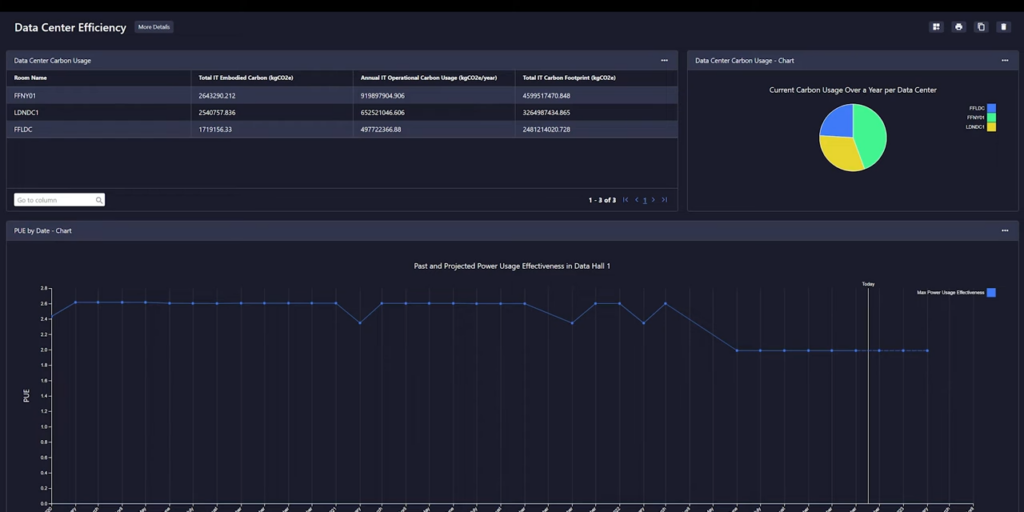
Energy consumption for cooling accounts for a large portion of the bill. It can be optimized once the airflow is known.
Result: an operational overview that can be compared with actual figures.
AREAS
Four questions a model of space can answer
All four questions are asked in a data center. The difference lies in whether the answer is an estimate or a calculation.
How much can it hold?
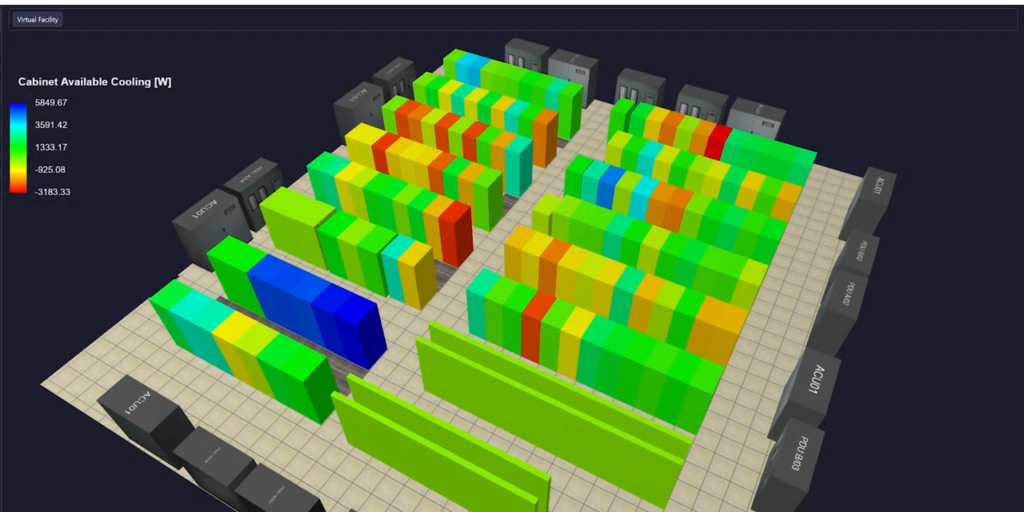
The capacity is not uniform throughout the room. It depends on where the cooling reaches.
Capacity per rackNot a single figure for the entire room
Available capacity displayedWhere there is actually space
The limit is known in advanceBefore the equipment is purchased
Where does the air go?
Cold air that doesn't reach the equipment is money down the drain.
Airflow Calculation for the RoomThe actual path of the air
Hotspots Identified in AdvanceBefore they become alerts
Hallways, floors, and ceilings withThe geometry of the entire room
What happens if we move this?
Most operational problems arise after a change that seemed reasonable at the time.
Scenarios Tested in the ModelWithout affecting operations
Renovation Assessed in AdvanceThe consequences will only become apparent later
Decision Based onNot based on experience alone
How much does the cooling system cost?
Cooling is the area that's easiest to improve once you can see where it's being wasted.
Energy Consumption in the ModelBased on actual operation
Improvements CalculatedThe impact was known before the investment
Documentation for ReportingActual figures rather than estimates
TOOLS
From a single cabinet to the entire building
The physics is the same at both ends of the scale. The difference lies in what the model encompasses.
Reality DC
Data Center A model of the entire data center—including cooling, airflow, capacity, and energy consumption—updated with the facility’s own operational data.
Three Types of Data Centers, Three Types of Problems
The task varies depending on who owns the space.
Colocation
Capacity is the key. Being able to say exactly what can go where is the difference between a sold space and an empty one.
Capacity VerifiedA figure the customer can rely on
New customer placed correctlyWithout bothering the neighbor
Expansion PlannedBefore the space runs out
The company's own data center
A room is rarely built for what is in it today. It is built for what was in it ten years ago.
Getting More Out of What We Already HaveBefore building something new
Renovation AssessedEffect Known in Advance
Operations Without SurprisesChanges tested in the model
High power density
New workloads result in a power density per rack that very few rooms were originally designed to handle.
High Density CalculatedAir cooling has its limits
Liquid Cooling EvaluatedWhen it becomes necessary
Phased ExpansionThe next step—not the whole house
Martin LangeHead of Support & Service
THE FULL SUITE
A model of space is only useful if it is kept up to date.
We'll start with the space you haveThe first model is built on the existing one. That’s also where the first capacity usually appears.
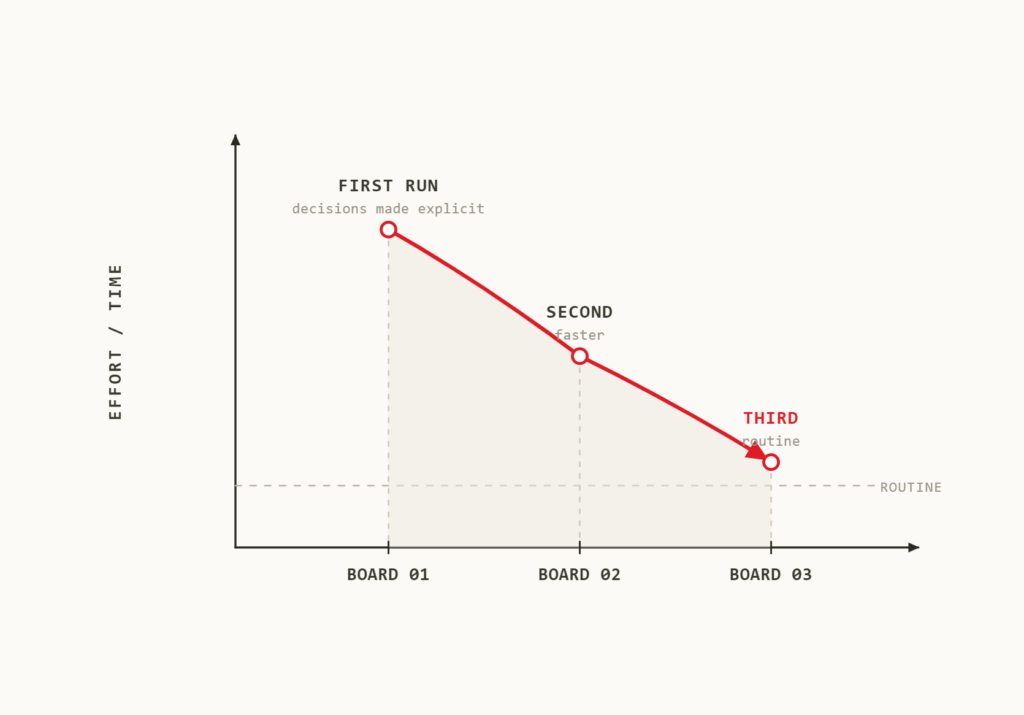
The model follows operationsA digital twin that isn’t updated becomes nothing more than a drawing. We’ll look at how to keep it up to date, right from the start.
Same-day local supportDirect hotline with real specialists in the Nordics. 96% of our customers stay with us.
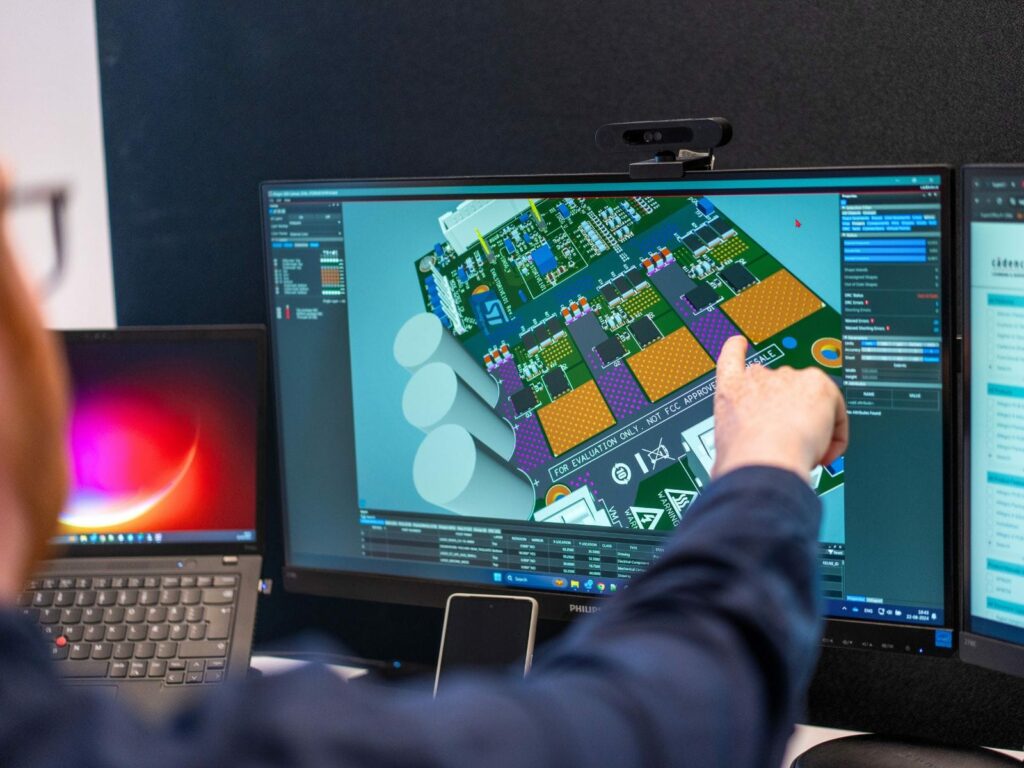
A model of the facility that calculates air, heat, and power—and is kept up to date with actual operational data. It is used to determine what will happen if something changes, without having to change it first.
The flow calculation is at the heart of it, yes. The difference is that this model is designed for a data center: racks, cooling units, capacity, and energy are concepts built into the tool, rather than geometry that you have to set up yourself.
Drawings of the room, an overview of equipment and power, and the measurement data you already have. The model will be more accurate with operational data, but it can be built without it.
It depends on the size of the room and how well it is documented. It is usually the documentation that determines the pace, not the calculation.
Probably not this page. If you need to perform calculations for a cabinet or a product, that belongs on the page about thermal simulation.
Contact
Tell us where capacity ends today
The most informative starting point is usually a rack that can’t be filled up, or a renovation you’re unsure about. That gives us something concrete to work with. No sales pitch. No pressure.

 SOLUTION · DATA CENTER