The range is determined by the last ten millimeters
The radio module is rarely the problem. It’s the antenna, the board surrounding it, and the enclosure that determine whether the connection holds—and these three elements are typically decided upon by three different people.
The range is measured first on the finished product
The enclosure alters the antenna's behavior
The certification process is scheduled before the results are known
The solution
We can return control to you
Include the antenna in the layout from the start
Range calculated based on the actual geometry
Housing and antenna simulated together
The margin is known before the test is booked
THE PROCESS
Three Decisions That Determine the Connection
A wireless product rarely fails in just one area. It fails at the intersection of three decisions that are made independently of one another.
The Radio and the Budget
What technology, what power, and how much margin is needed. This is where the range is determined in practice.
Result: a link budget against which the rest of the design can be evaluated.
The Antenna and the Card
The antenna isn't a separate component—it's part of the board. The ground plane, the edge, and the components surrounding it all contribute to it.
Result: an antenna that works right where it's located.
The product surrounding it
The casing, the battery, and the hand holding the product. All of these factors affect the antenna's behavior.
Result: a finished product where the measurement confirms the calculation.
DISCIPLINES
Four questions to be answered in order
They each have their own place in the process, but they all revolve around the same connection.
Does the signal reach far enough?
Before anything is drawn, it must be determined how much leeway there is to work with.
AWR VSSLink Budget and System Simulation
Modulation and NoiseError rate rather than an estimate
Requirements EstablishedWhat each part must provide
Are the amplifier and filter working?
The RF circuit is where the actual behavior of the components deviates the most from the data sheet.
AWR Microwave OfficeRF Circuits with Realistic Models
Matching and AdaptationThe signal reaches the antenna
Harmonic BalanceBehavior at High Signal Levels
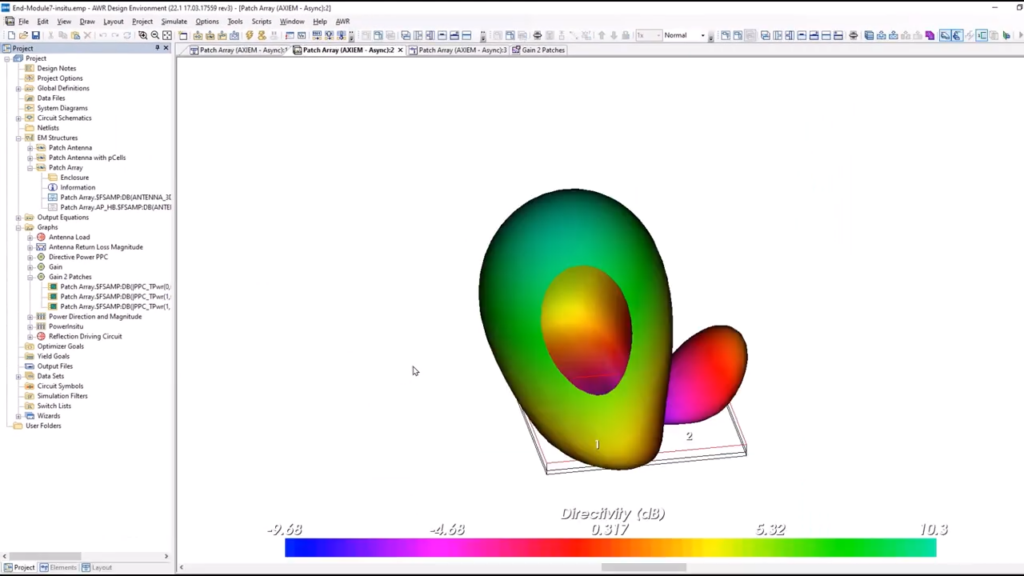
Is the antenna transmitting properly?
An antenna on a board rarely performs as promised in the datasheet. The board is part of the antenna.
AWR AXIEMPlanar Structures and Antennas on the Board
AWR AnalystThe 3D structure around the antenna
Radiation PatternWhere the energy actually goes
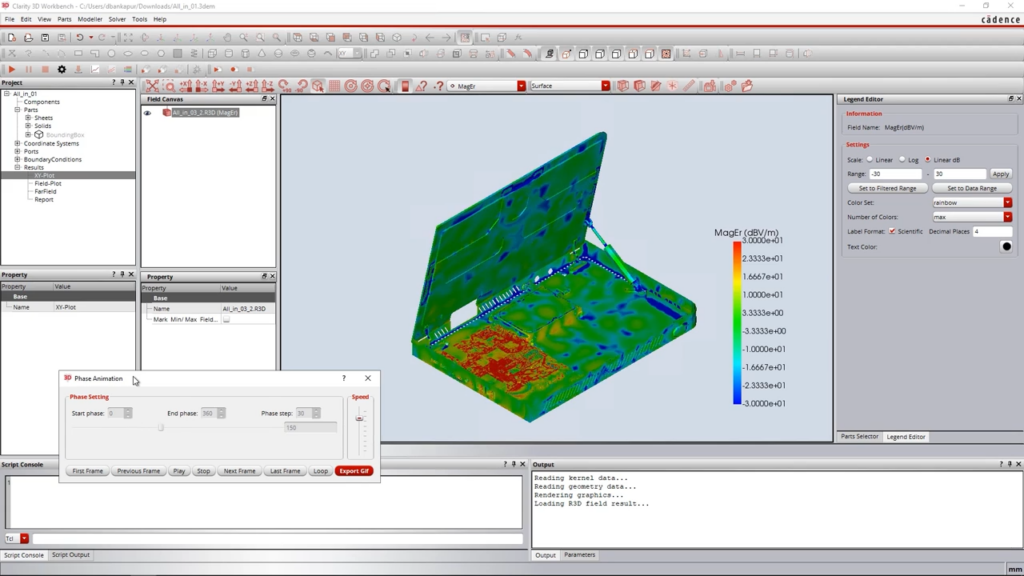
Will it fit in the cabinet?
The finished product contains metal, a battery, and plastic. All of these materials affect the antenna.
Clarity 3D SolverThe entire product in a single 3D model
The Cabinet's InfluenceBefore the prototype is built
CoexistenceMultiple radios in the same product
TOOLS
Three Tools for Three Levels
Very few people need all of them right from the start. Where you start depends on whether the problem is with the range, the circuitry, or the enclosure.
AWR Design Environment
RF platform From the link budget through the RF circuit to the antenna. The system, the circuit, and the structure—all in one environment.
The module, no. The antenna and the circuit board surrounding it, usually yes. A certified module does not guarantee the range of your product—it depends on how the antenna is mounted.
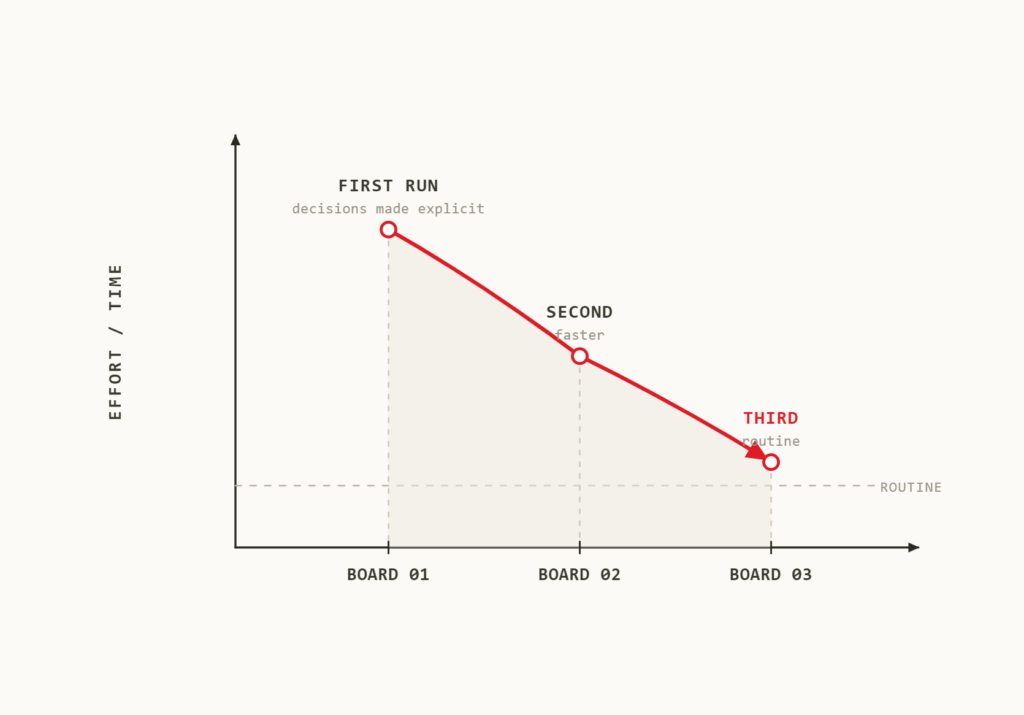
Measurement is still what makes the difference. The difference lies in how many iterations are needed. Simulation shifts the work from a prototype to a model, where a change takes hours rather than weeks.
They are the same tools. The RF page describes the discipline—how to design an RF circuit and an antenna. This page is about the product that will be used for communication: range, battery life, enclosure, and certification.
AWR is where RF design takes place: the system, the circuit, and the antenna. Clarity is where the entire product is simulated—the enclosure, the cables, and everything else all at once.
No. The accredited measurement is still the one that counts. Simulation is used to arrive at the measurement with a margin that you know in advance.
Yes, that's one of the most common uses. It's usually faster to find the source in a model than in the measurement cage.
Contact
Bring us the product that didn't go far enough
A product where the range didn't turn out as it should is the best starting point for a conversation. That way, there's something concrete to look at rather than just an example. No sales pitch. No pressure.

 SOLUTION · WIRELESS COMMUNICATION & IoT